 MedCare360
Loading diseases and conditions
Also known as: High Fat In Blood, Raised Cholesterol, Fatty Blood, High Blood Fats, Bad Cholesterol Levels, Clogged Artery Risk
Last Updated: October 31, 2026
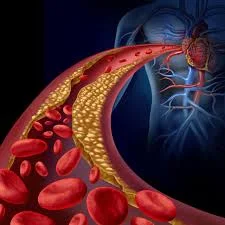
High cholesterol occurs when there's an excessive amount of a fatty substance called cholesterol in your bloodstream. While some cholesterol is essential for healthy cells, too much can lead to serious health issues. This excess cholesterol can build up in your blood vessels, causing them to narrow and harden. This process makes it harder for blood to flow through, significantly increasing your risk of developing heart disease, heart attacks, and strokes. High cholesterol often doesn't present with any noticeable symptoms, earning it the nickname 'silent killer.' It is typically discovered through a routine blood test and can often be managed through healthy eating, regular exercise, and in some cases, medication.
Explore our range of treatment options for High Cholesterol:
Affects
Blood vessels, heart
Prevalence
Common, increases with age
Diagnosis
Blood test
Treatment
Lifestyle changes, medication
Consult with our healthcare professionals to discuss your symptoms and treatment options.